
For new truck drivers and those just stepping into fleet operations, compliance often seems like a wall of acronyms, rules, and paperwork. For instance, the HOS, ELD, inspections, logs, and FMCSA requirements are presented as a legal maze so numerous and dense they may as well be symbols on a cryptic warblers. The truth is that reading to the dark elephant that dominates your room, compliance is not about memorizing instructions, it is about logical understanding of the situation and its reflection on actual truck driving practices and daily routines.
This guide is an easy way to see how the different components come together to make truck driver compliance a truly practical thing. No overload. No legal jargon. Just a concise explanation of the way the HOS rules, the use of electronic logging devices, and vehicle inspection utter a note of safety for CMV, driver fatigue prevention and reliable operations.
CMV safety in compliance is achieved not through strict enforcement alone, but through predictable routines that reduce fatigue, mechanical failure, and decision-making errors on the road.
Why Compliance Exists in Trucking
Until compliance is enforced, it will be one of the most effective preventive tools. Federal trucking guidelines as a shadow of ideas built up over the years include the reasons for their existence: crashes caused by fatigue, faulty machines, and unreported defects resulting in bad equipment being sent onto the streets.
For truck drivers and fleet managers, compliance duties can achieve three basic goals:
- controlling fatigue through regulated hours of duty
- establishing minimal safety standards for vehicles
- providing uniform and verifiable data for inspectors
Viewing compliance from this perspective changes it from a scary bogeyman to a practical tool.
Hours of Service: The Foundation of Compliance
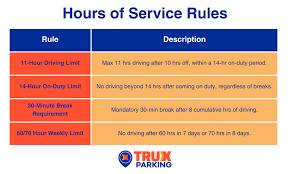
DOT Hours Of Service Training Video for Truck Drivers and Truck Companies
What Hours of Service Actually Control
Hours of Service (HOS) sets the rules for a driver to be able to work at times but not throughout which to drive. Making this distinction will help a lot! The on-duty hours also include time for loading, refueling, and conducting inspections, or taking part in road tests – all the things typical for a worker in a commercial motor vehicle.
For drivers who carry goods, a simplification of the structure is like this:
- a fixed number of driving hours per day
- the maximum of on-duty hours per shift
- mandatory off-duty or sleeper berth time for recovery
For property-carrying drivers, compliance rules are structured around long duty cycles and variable loading conditions that make consistent rest and documentation especially critical.
These limits are there to cut down on tiredness before it becomes a threat to safety.
Core HOS elements and what they control
| HOS element | What it limits or defines |
| Driving hours | Maximum time a driver may operate a CMV |
| On-duty hours | Total working time including non-driving tasks |
| Driving window | Total length of the workday |
| Off-duty / sleeper berth | Required recovery and rest time |
The Driving Window Explained Simply
Your driving window makes it how long your duty time can lengthen from the moment you start the work. When that time is up and the window closes, you are not allowed to drive even though you feel ok to drive.
This is aimed at preventing the situation of long working days where attention/reaction times are pushed to a threshold level which is not safe. It’s not about speeding or being productive, it’s about our biology.
If a new driver gets a good grip on the concept of driving windows, he is less likely to break rules that occur late in the day when decisions are made in a hurry.
Sleeper Berth and Off-Duty Time
Rest is a must in compliance; it is not something that is optional but must be implemented in a certain organized way. Off-duty time and the sleeper berth time are the only two ways one can reset one’s available hours.
The sleeper berth choice was implemented to give better flexibility, especially for the long-haul operations. It will allow drivers to split rest period while still covering up the goals of the fatigue prevention standard.
Above all, it is that very consistency that matters: the logs must be true to reality. Compliance problems frequently arise when rest logs differ from actual behaviors.
Driver Fatigue Prevention: The Real Goal Behind HOS
HOS regulations are not simply a set of random rules. Tired drivers have longer reaction times, poorer decision-making, and impair their situational awareness, and studies show that driving while tired is equivalent to driving with alcohol impairment.
Compliance achieves this by:
- requiring rest before one gets tired
- shortening extensive duty periods
- showing fatigue through logged patterns
Drivers seeing the sense of these things usually accept HOS as a measure of safety and not as a restriction.
ELD Mandate: What It Is and Why It Exists
From Paper Logs to Electronic Logging Devices
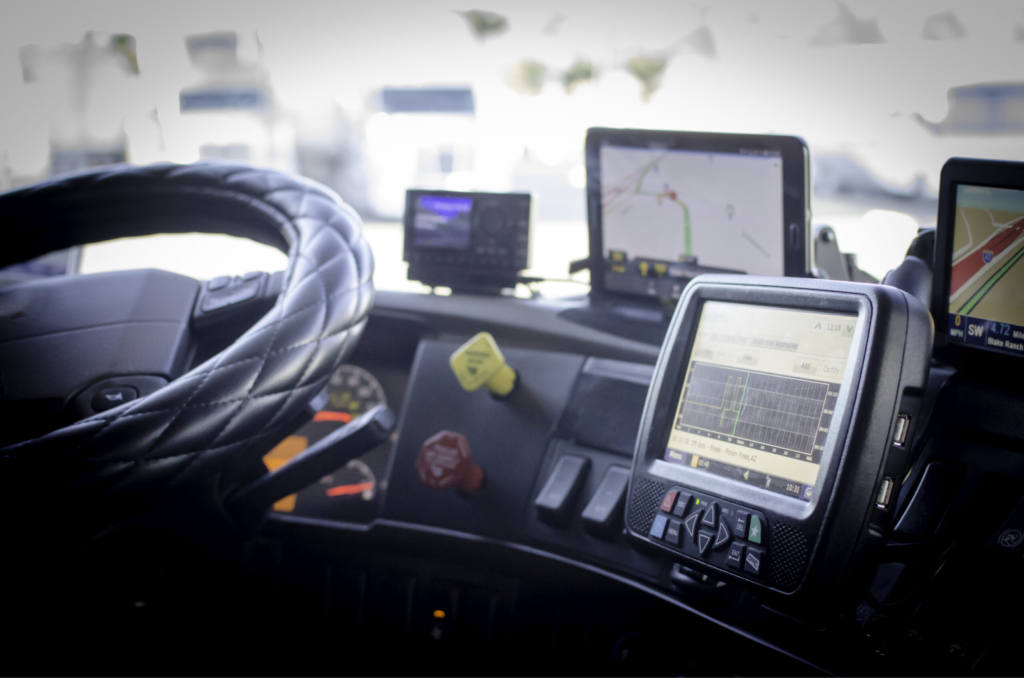
The ELD order is a requirement for most CMVs to record driving hours electronically as opposed to using paper logs, the move being aimed at uniformity. The latter was prone to too much self-interpretation, correction, and errors.
The electronic logging device is connected to the engine and it records driving times automatically. This takes the guesswork out of it and ensures a standardized data format across the entire fleet.
An electronic logging device relies on a direct engine connection to accurately determine when a vehicle is moving, removing manual interpretation from driving time records.
Mastering Hours of Service with ELDs: The Ultimate Guide for Truckers!
How an ELD Actually Works
An ELD will typically keep track of:
- the connection and the movement of the vehicle
- changes in the driving status
- geolocation at intervals
- on-duty time and off-duty transitions
Location information recorded by ELD systems provides time-stamped context during inspections, helping verify duty status changes without requiring driver explanation.
It’s a recording device; it just tracks the activity. Problems are not related to the device, but rather to the driver’s actions with it.
Telematics and Transparency
The latest ELD technologies are frequent telematics integration; they join the logs with the vehicle data. This solves fleet manager compliance by adding visibility to the operations without relying on manual reports.
Drivers may feel betrayed by their transparency but they will find it easier in future. It will often mean fewer disputes, less paperwork and, if questions arise, inspections will be clearer.
Common ELD Mistakes Beginners Make
New drivers tend to have problems with their ELDs for a few silly reasons:
- forgetting to change the duty status
- misunderstanding personal conveyance
- incorrectly editing logs
- assuming the device “knows” the intent
The basic compliance means learning that the ELD is not a helper, but a mirror. It mirrors the activities you do and not what you planned to do.
Vehicle Inspections: Compliance Beyond Logs
Why Inspections Matter
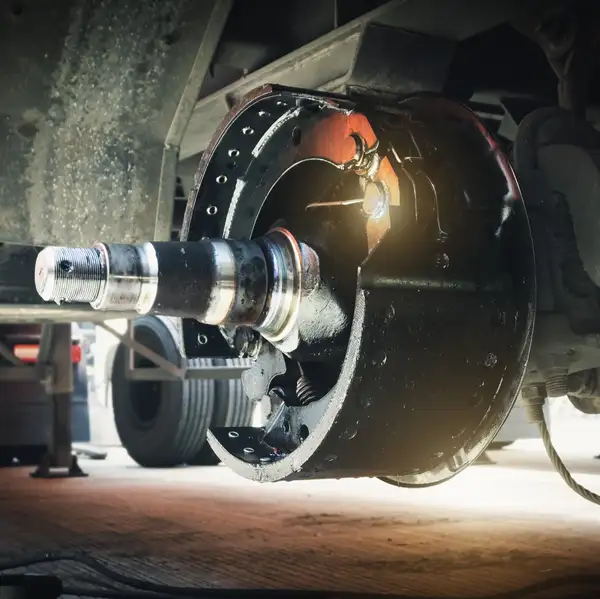
Vehicle inspections are the outward sign of compliance. Logs are for time control, while inspections are for the safety of the equipment. Together, they are the pretty much sole foundation for CMV security.
Inspections are a way of ensuring that faulty equipment is off the roads and that minor issues are solved before they escalate.
Daily Driver Vehicle Inspections
The drivers are required to conduct inspections both before and after driving. These checks do not require to be perfect; they are only the source of awareness.
Inspection fundamentals provide basic information about the parts that vastly affect immediate safety:
- Brakes
- tires and wheels
- lights and reflectors
- steering and suspension
Compliance inspections focus heavily on safe equipment because even minor mechanical defects can escalate quickly under long hours and highway operating conditions.
It is the right documentation of these inspections that becomes an integral part of compliance.
Common inspection focus areas during roadside checks
| Inspection area | Why inspectors focus on it |
| Brakes | Primary stopping ability |
| Tires and wheels | Load stability and blowout risk |
| Lights and reflectors | Visibility and signaling |
| Steering and suspension | Vehicle control and handling |
Inspection Records and Documentation
Inspection reports are more than just internal paperwork since they are also one of the documents that need to be audited or peer-reviewed out of the roadside inspections. The sharp, clear, and simple documentation is a good coverage for both drivers and carriers alike.
Omitting or, incorrectly filled-in inspection records are usually likely to be the red flags rather than minor mechanical defects.
Roadside Inspections: What Inspectors Look For
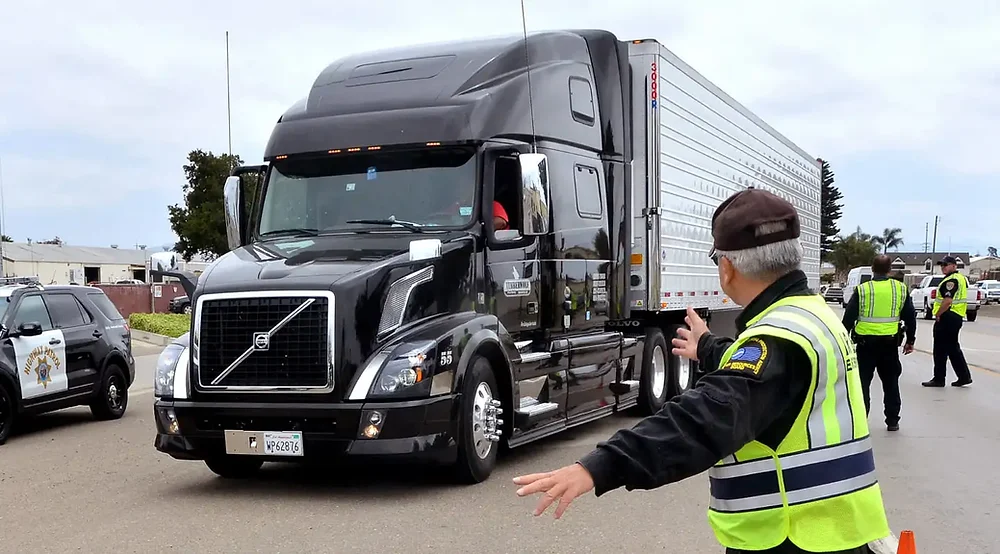
During roadside investigations, the enforcement officers look into three segments:
- driver compliance – HOS, ELD usage, credentials
- vehicle safety rules – visible defects, brake performance, tires
- documentation accuracy – consistency between logs and reality
Grasping the inspection basics makes it simple and helps the drivers to speak self-confidently while the inspectors are checking.
FMCSA Requirements in Simple Terms
FMCSA requirements exist to standardize safety across states. They ensure that:
- data is consistent
- enforcement is predictable
- safety expectations are uniform
For beginners, compliance does not mean knowing every regulation-it means knowing where your responsibilities begin and end.
Fleet Manager Compliance vs Driver Compliance
Although compliance responsibilities are shared they are different and they have a different focus.
Drivers are the people who should log accurately, conduct inspections, and operate the vehicle safely.
Fleet managers are responsible for the proper systems, training, and oversight.
The problems may come in the case when both sides play in the same yard. Clear expectations keep both sides protected.
Basic Compliance as a Daily Routine
The most effective way of compliance is when it is not a reactionary but a routine process. This includes:
- maintaining logs on a regular basis
- following the right framework of inspections
- writing down the planned rest times
- being honest
If compliance is integrated into daily work, it becomes rare to violate it.
Why Overload Is the Enemy of Compliance
Many novices are not able to meet compliance because they do not have enough resources to do it, however, the fact is that the rules are not so complicated and you just have to focus on one thing at a time. The overload usually involves shortcuts, assumptions, and mistakes.
The compliance guide should be a pressure-reducer, not an add-on.
It is best to begin with the basics:
- get to know your hours on duty
- log realistically
- inspect regularly
Then everything else will grow from there.
Compliance and Professionalism
Strong compliance habits are the indicators of being professional. Carriers, inspectors, and shippers know drivers who handle their time, equipment, and paperwork well.
In the long run, good compliance:
- will result in better driving tasks
- fewer inspections
- better driver retention
- lower operational delays
Final Thoughts: Compliance Without Fear
Compliance is not about being perfect, it is about being honest, being aware, and being consistent. HOS, the ELD mandate, and the vehicle inspections are not the barriers to success but the frameworks to drivers’ safety and stable operations.
The most important thing for your beginners is focusing on the basics, avoiding overload, and building habits over time. Compliance becomes a manageable issue when it is not feared but is understood.
In trucking, safety, reliability, and professionalism all have the same basis: clear, simple compliance.
No responses yet