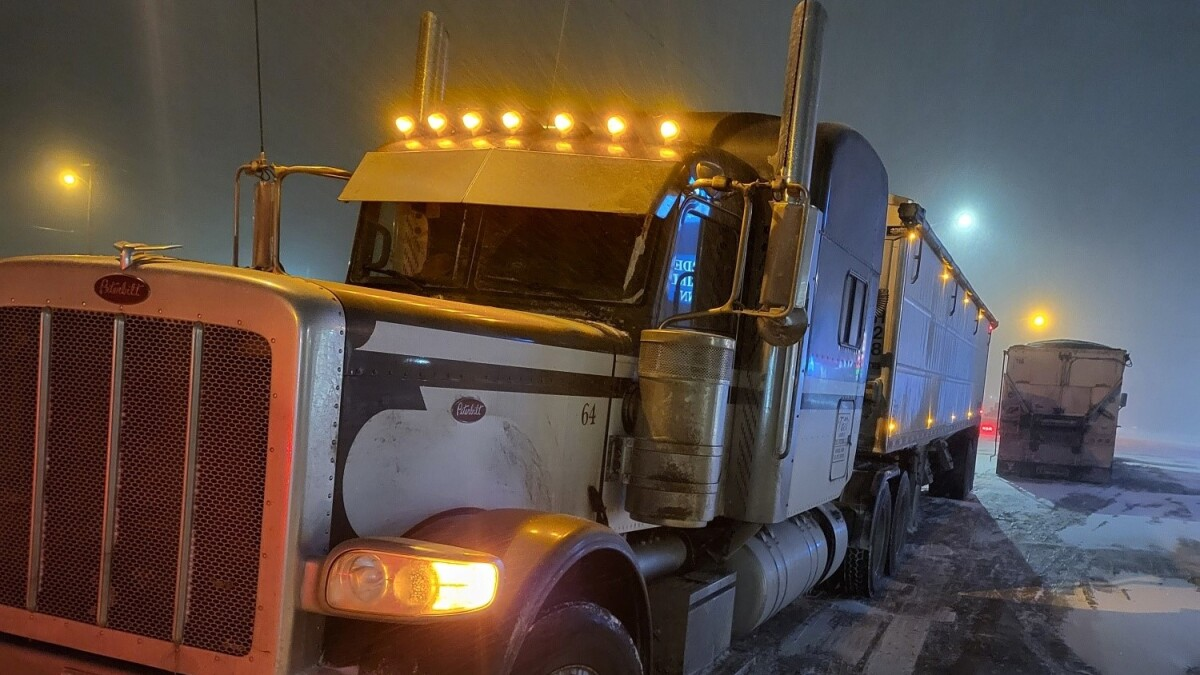
Unexpected weather is always the most unpredictable aspect in trucking driving. Driving conditions of snowstorms, freezing rain, wind, flooding, and diversion for construction projects have an effect on operations disrupting even the most meticulously planned trucks. Simply put, weather is not something that the driver has control over; but the compliance that one has during bad weather is. Documentation on delays and downtimes is a determining factor for the duration of the inspection and whether it will end with a violation or with a fine.
Delay weather compliance is not just holding back speed and parking properly. It also involves documenting the right decisions, correlating logs to real-world conditions, and showing that safety first is more important than schedule pressure. An incomplete or contradictory record indicates that weather delays may be viewed as log violations, hours of service errors, or unauthorized route deviations.
This article aims to be informative by presenting the proper way of handling delays, downtime, and operational changes during extreme weather, construction disruptions like winter storms, and how to maintain stable compliance with transport regulations.
The Significance of Weather-Dependent Compliance
City officials see that weather issues like snowfall are not the only cases of strain during winter. The increased severity and longevity of construction season have made weather issues, more or less, part of normal working conditions. Thus, inspectors consider drivers should be knowing how to report these situations correctly.
Bad weather events are of documentation less attentively in the following cases:
- Hours of service record flaws
- The Unsure status of on or off-duty
- Unsafe use of adverse driving conditions allowances
- Driver inconsistency
- Driver qualifications and judgment
Drivers who are not in compliance with the rules in this situation are often ill because they are confused, which makes them not watchful. Meanwhile, the driver makes the decisions to prioritize safety unaware that those decisions create later diverging logs.
Common Weather-Related Compliance Risks and Their Causes
| Compliance Risk | Typical Cause During Bad Weather |
| HOS violations | Downtime not logged correctly |
| Log inconsistencies | Delays described too vaguely |
| Route deviation issues | Missing explanation for closures |
| Qualification concerns | Poorly documented decisions |
| Inspection escalation | Gaps between logs and reality |
The Reduced Bad Weather Compliance is the Actual Impact
Bad weather compliance, in a nutshell, is the conflict resolution between reality and the code of conduct. No law states that drivers should be negligent, but the rules mandate honesty and precision.
Weather-related compliance entails:
- Pointing out snowstorms, flooding, or winds that caused delays
- Recording downtime correctly when operations are paused
- Noting road constraints and closures
- Demonstrating adherence to safety hazards protocols
- Keeping accurate hours of service logs
Compliance is a matter of constancy and no misrepresentation. It is only by a uniform and accurate reflection of events on the road that the records can exist.
In practice, bad weather compliance is measured not by the absence of delays, but by how accurately those delays are explained and supported in records. Documenting delays caused by snow, ice, wind, or flooding ensures that weather related delays are interpreted as safety-driven decisions rather than operational failures.
Documenting Delays Caused by Severe Weather
Weather-related delays certainly need to be documented in writing and done so in time. Directness is key to the success of documentation. Non-specific failures like “weather delay” frequent just won’t do it.
Astute documentation will indicate:
- Type of weather event (snowstorm, freezing rain, high winds)
- Location where delay occurred
- Time delay began and ended
- Safety reason for stopping or slowing
- Reference to weather advisories or road conditions
For example, adding a snowstorm will lead to different documentation than verifying construction delays or traffic jams. Weather-related delays prove that the driver took correct responsibility in act of safety hazard mitigation.
Downtime Documentation During Weather Shutdowns
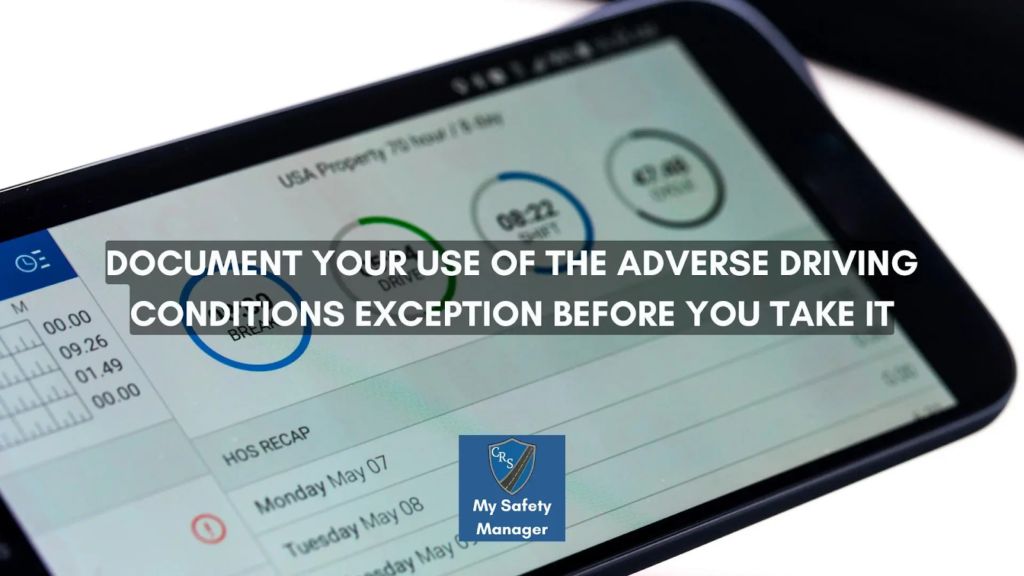
Logging downtime takes on utmost importance when the weather conditions virtually force the drivers to stop completely. In this situation, parking for severe weather is not a violation, but if not written adequately it is going to lead to compliance issues.
When documenting downtime:
- Clearly indicate off-duty or sleeper berth status
- Avoid leaving logs unchanged for long periods
- Add notes explaining why movement stopped
- Align downtime with weather advisories or road closures
The Downtime documentation proves that the only thing the drivers did was take a decision in the interest of safety versus making the compliance error of stopping movement.
What Inspectors Expect to See During Weather Downtime
| Inspection Focus | What Proper Documentation Shows |
| Downtime status | Clear off-duty or sleeper designation |
| Safety justification | Weather or road condition reference |
| Time accuracy | Start and end of delay logged |
| Decision quality | Safety-driven, not convenience-based |
| Consistency | Logs align with conditions described |
Construction Delays and Weather Overlap
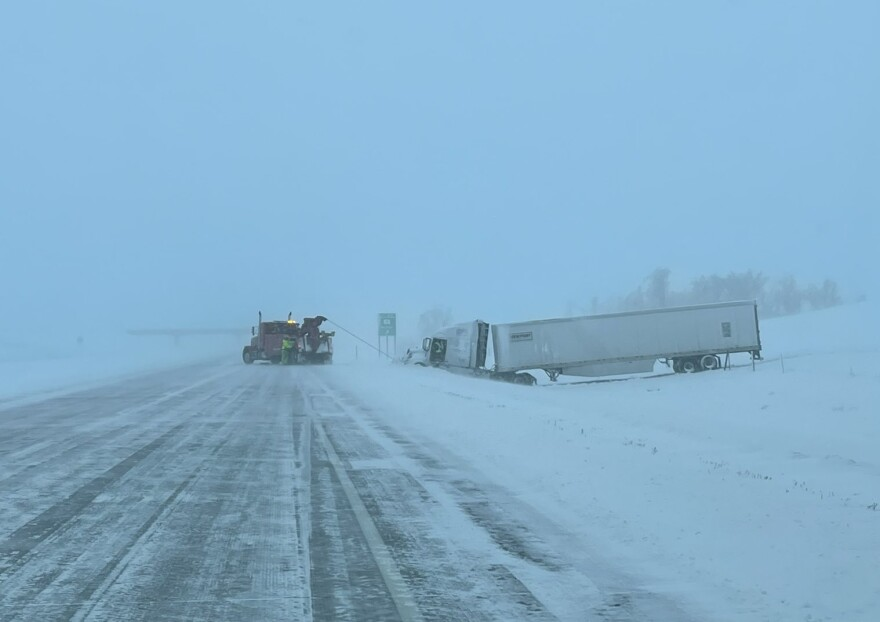
Construction delays frequently share an intersection with the contending weather conditions during the winter seasons and other transitional periods. The shipping rules can impose extra traffic measures on construction sites such as detours, lane restrictions, or escort vehicles, which affect drivers.
Drivers carrying construction gear or oversized equipment must log:
- Construction-related slowdowns
- Weather impact on construction zones
- Route restrictions caused by combined weather and construction factors
- Safety signage compliance
Construction delays caused by weather should be treated differently from routine traffic jams and add them in a separate record, as they might have a different effect on the compliance process.
From a compliance standpoint, construction shipping regulations often intersect with temporary route restrictions that are further tightened by adverse weather. Accurate documentation helps demonstrate that delays were caused by regulated constraints rather than unauthorized deviations.
Winter Storm Impact on Operations
Winter storms usually bring along some of the most difficult compliance problems. The snowstorm delays could lead drivers to change routes, halt operations, or take an extended time off.
Proper winter storm documentation should encompass:
- the amount of snow or ice conditions
- decreased visibility
- road closures or chain requirements
- adjustments of driving distance and speed
The winter storm impact on operations is evaluated primarily through records. Clear and timely severe weather documentation allows inspectors to understand why routes were altered, speeds reduced, or operations suspended without assuming non-compliance.
Winter weather regulations have more to do with safety than productivity. Well-documented decisions provide a basis for this.
Route Restrictions and Oversized Permits in Bad Weather
Drivers hauling oversize loads or heavy machinery encounter additional challenges in compliance with rules which arise during bad weather. Oversize permits sometimes have weather-related conditions attached, usually during strong winds or icy conditions.
Documentation should show:
- Compliance with permit conditions
- Route deviations caused by weather
- Temporary parking decisions
- Coordination with escort vehicles if required
For heavy machinery transport, weather-related limitations attached to oversized permits play a critical role in compliance reviews. Proper records confirm that movements were adjusted according to permit conditions rather than convenience or schedule pressure.
Failure to document weather-related permit adjustments can result in violations even when the driver acted correctly.
Cargo Securement and Weather Compliance
Bad weather complicates cargo securement, especially when hauling construction equipment or hazardous materials. Securement checks however should be done more often during adverse conditions.
Documentation should include:
- Additional securement inspections
- Adjustments made due to weather
- Delays caused by rechecking cargo
- Safety measures taken to prevent load shift
Securement documentation benefits compliance through the installation of tests undergone on the roadside, especially where bad weather has been involved.
Hazardous Materials and Severe Weather Documentation
Transport of hazardous materials is the additional layer of regulations that come during the bad weather. Weather advisories might dictate and require extra precautions to be taken.
Drivers must document:
- Weather-related stoppages
- Route restrictions affecting hazardous materials
- Safety signage compliance
- Coordination with dispatch or emergency guidelines
Severe weather documentation is especially critical when hazardous materials are involved, as inspectors scrutinize these logs closely.
Hours of Service During Weather Delays
One of the most common issues related to the hours of service is compliance with the delayed weather. Drivers are often torn between staying on-duty or going off-duty.
The main points are:
- Keeping proper logs for on-duty waiting time
- Using off-duty or sleeper berth status when appropriate
- Avoiding improper use of adverse driving condition allowances
- Keeping logs consistent with downtime documentation
Weather-related delays do not automatically extend driving time unless specific regulatory conditions are met.
Delay Reporting and Driver Documentation
Delay reporting needs to be handled on the same level as a part of driver documentation, not a separate task. Logs, notes, and supporting records must be systematic in telling the full story.
Good delay reporting would include:
- Uniform time stamps
- Straightforward explanations
- Synchrony between logs and reality
- Professional language
Driver documentation becomes a critical compliance asset when inspections occur days or weeks later.
Driver Qualifications and Decision-Making
Inspectors often don’t ask driver qualifications directly but they seek for these through documentation. Badly chosen words are not the only thing cause a poorly documented weather decision; they also make suspicion arise about the judgment or training of the driver.
Clear documentation shows:
- Awareness of safety hazards
- Understanding of transport regulations
- Proper response to adverse conditions
- Commitment to legal transportation practices
Professional documentation reflects professional driving.
Safety Signage and Construction Compliance
Construction sites in adverse weather conditions demand a high attention to safety signage. Increased risk comes from impaired visibility and altered traffic patterns.
Drivers should document:
- Compliance with posted restrictions
- Adjustments made due to weather
- Delays caused by construction compliance
This documentation supports safe and lawful operations in complex environments.
Snowstorm Delays and Winter Weather Regulations
Snowstorm delays are among the most carefully monitored weather events during inspections. Inspectors expect clear records showing why and when operations paused.
Effective snowstorm documentation demonstrates:
- Awareness of winter weather regulations
- Prioritization of safety
- Accurate downtime recording
- Proper route and speed decisions
Winter compliance is about thoughts in advance, not just to react.
Building a Culture of Weather Compliance
Bad weather is not conquered through a couple of band-aids but through the full dedication to the causes. It calls for the right degree of preparation, consistency, and a fresh documentation culture.
Key practices for this include:
- Educating drivers on how to document their weather
- Standardization of the procedures for delay reporting
- Incentivizing downtime that will not be a negative aspect
- Reviewing driver logs post-storm events
When documentation becomes routine inspections are less stressful.
Final Words: The Easiest Way to Prove Is Signed Paper
Bad weather is more than just a skill test for drivers. It is a test of judgment, documents, and knowledge of rules. Compliance of repair of storm, construction, and hazardous conditions are not the same yet be are all in control of compliance.
Recording the right delays and downtimes turns atmosphere disturbances from compliance into defensible safety decisions. Clean records, correct hours of service logs, and detailed notes confirm for inspectors that you always put safety first.
In truck driving, bad weather may slow the journey, but poor documentation can stop it entirely. Compliance during storms is not about moving faster — it is about recording smarter.
No responses yet