
Today in trucking, dispatchers have a lot to do apart from taking care of loads and following the routes. They form the spanning of the driver activities in the hours of service, conditions of the fleet under DOT regulations, and shipping of the freight through the network. A silent part of a dispatcher causing a problem with HOS is one of the most unsuitable preparatory causes. That is not because the rules are not followed, but because the schedules bear drivers what seems like a no-win situation.
The article describes the procedure on planning loads, routes, and schedules of a truck dispatcher with this reason: driver support and operation of the system without HOS violation. The most important is not theory but practical logistics planning in the trucking industry where dispatch decisions affect those involved as well as time.
The Reason Why Dispatchers Influence HOS the Most
Drivers may be behind the wheel, but dispatchers steer the day. Start times, load order, route estimates, and recovery windows are all results of dispatch decisions. Even if a dispatcher never explicitly tells a driver to “push the clock,” the dispatch plan that diverges from reasonable can make violations almost unavoidable.
The hours of service rules are fixed under trucker regulations. Traffic, loading, time delays, weather, yard congestions, and inspections are not issues. Dispatching that totally disregards these factors places HOS into the equation one mile before driving.
Proper dispatching is not driving the most miles in every shift to the absolute limit. It’s about the alignment of fleet planning with compliance requirements and human capabilities.
Dispatcher Perspective Imitating Understanding HOS
To steer clean of potential HOS violations; dispatchers must comprehend the actual clock time in real operating conditions-not just what it appears to be on paper.
HOS understanding for dispatchers
This includes an understanding of the following things:
- The 11-hour driving limit
- The 14-hour duty window
- Mandatory breaks
- Consecutive off-duty requirements
- Sleeper berth usage
- The way the electronic logging device records time
The 14-hour window is absolutely crucial; it is like a ticking bomb. Once it starts, it will not be stopped by anything. The poor management of a dispatcher’s timing–the early starts, unnecessary check-ins, or unbuffered appointments–can lead drivers to lose usable hours available even before they have started driving.
The starting point of effective dispatching is focusing on managing HOS instead of reacting to it.
Core HOS Elements Dispatchers Must Account For
| HOS element | Why it matters for planning |
| 11-hour driving limit | Caps total driving regardless of remaining duty time |
| 14-hour duty window | Continues running even during delays |
| Mandatory breaks | Must be timed to avoid fragmenting the shift |
| Sleeper berth | Can help manage fatigue but requires precision |
| ELD recording | Logs time automatically without discretion |
The Unseen Ways Dispatch Planning Leads to HOS Violations

The majority of HOS violations occur not due to driver’s disregard for the rules, but rather to the structural planning, such as:
- Stiff constraints with no extra time
- Unrealistic transit time assumptions
- Ignoring traffic congestion
- Flushing fuel, inspections, and loading separately
- Running two short hauls constantly burning on-duty time
- Delivering without contemplating the drivers’ prior shift fatigue
When these factors are not accounted for in the planning, drivers get forced into reactive decisions that lead most of the times to log pressure and compliance risks. The elimination of these hidden time traps is the first step to safe dispatching.
Compliance Planning Begins Even Before the Load Is Assigned

The good dispatcher planning starts from before the freight is accepted. Every load has to be examined not only for the revenue potential but also the compliance feasibility.
Load Feasibility Checklist for Dispatchers
| Planning factor | Compliance impact |
| Available driver hours | Determines realistic delivery window |
| Customer dwell time | Consumes duty window without driving |
| Parking access | Affects end-of-shift compliance |
| Prior shift fatigue | Influences safety and productivity |
| Enforcement zones | Raises inspection and violation risk |
As a preliminary step to assigning a load, dispatchers are suggested to reflect on:
- Driver’s available hours
- Prior shift duration
- Required consecutive hours off
- Known customer dwell time
- Parking availability near delivery
- Weather and enforcement patterns
- Constraints imposed by the electronic logging device
If a load practically gets “worked” only under the perfect conditions wanting it mostly to be a compliance issue. Legitimate dispatching is all about planning for what Will really happen instead of making assumptions of a best-cast scenario.
Route Planning That Protects the Clock
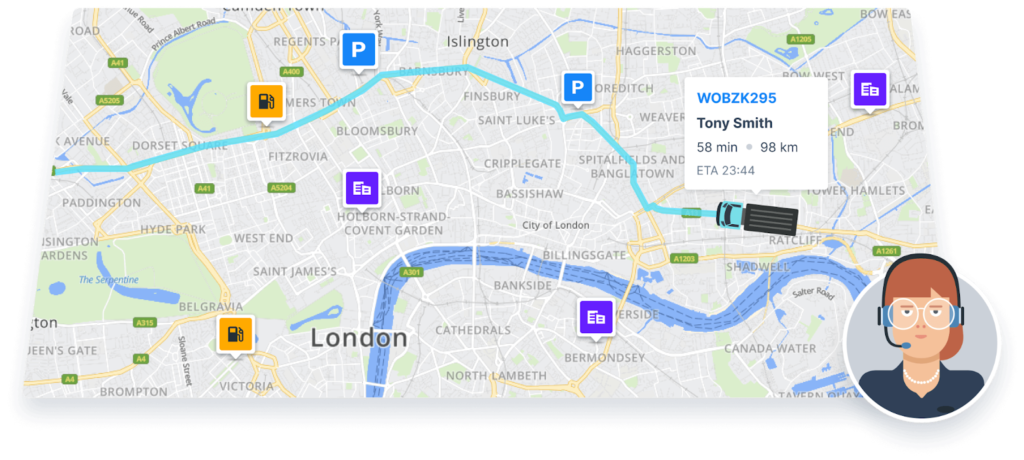
Route planning is one of the dispatcher’s most powerful tools for preventing violations.
Effective route planning includes:
- Anticipating peak congestion when possible
- Routing around known bottlenecks
- Taking seasonal slowdowns into account
- Planning fuel and break spots
- Ensuring the delivery zones have safe parking nearby
A route that looks shorter on a map may actually have higher time cost. Therefore the dispatcher must visualize the protection of time, not the distance saving. The approach serves compliance and efficiency at once.
Managing Appointment Times Without Creating Pressure

Avoid HOS Violations with These Tips @Trucksafe
Appointment scheduling is another source of HOS stress. Dispatchers lack the estimation of driver compliance’s inflexible delivery windows that they have to deal with all the time.
Difficulties arise when:
- Appointment times dictate early on-duty starts
- Late-day deliveries eliminate recovery windows
- Tight drop-and-hook schedules ignore yard congestion
- Customers penalize early and late arrivals equally
Compliance-focused dispatchers build buffers into schedules. They negotiate realistic windows, adjust plans when delays occur, and protect drivers from being forced into violations. Avoiding HOS violations usually involves the driver not being pressured, instead of the dispatcher pushing the driver.
The Dispatcher’s Role in ELD Compliance
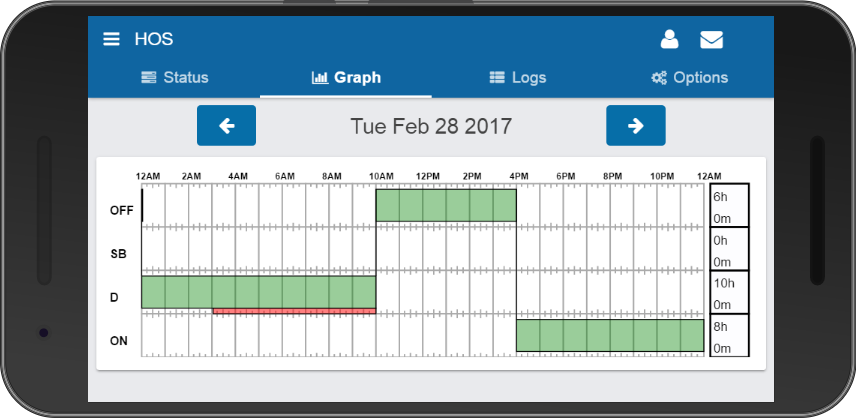
Electronic logs do not create violations — they expose planning weaknesses. Dispatchers must understand how ELD compliance interacts with scheduling decisions.This approach aligns with the official Hours of Service framework enforced by the Federal Motor Carrier Safety Administration (FMCSA), which defines driving limits, duty windows, and electronic logging requirements for commercial drivers. Source: FMCSA — Hours of Service Regulations
Key realities include:
- Logs update in real time
- On-duty time accumulates quietly
- Yard moves still affect clocks
- Split sleeper usage requires precision
Dispatchers who understand how ELDs function can plan in a way that aligns dispatch expectations with logged reality. This is central to safety compliance in modern operations.
Communication That Supports Driver Compliance

How a dispatcher communicates matters as much as what they plan.
Compliance-supportive communication includes:
- Clear arrival expectations
- Encouragement to log accurately
- Permission to stop when hours expire
- Early notice of schedule changes
- Honest conversations about delays
Pressure-based communication undermines compliance and driver trust. Safe dispatching relies on clarity, not urgency.
Fleet Planning and Long-Term HOS Stability
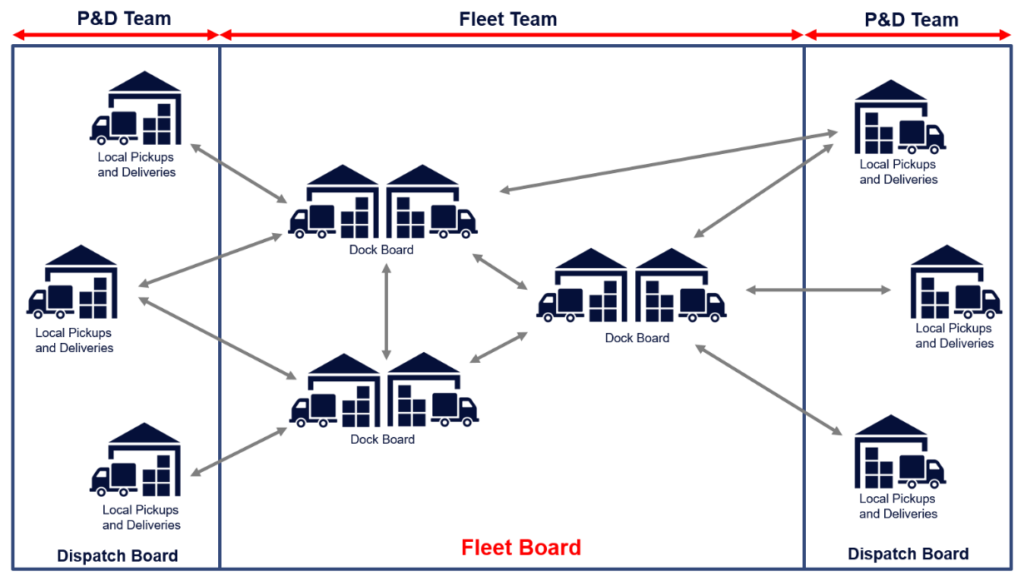
Dispatchers influence not only individual shifts, but long-term compliance patterns across the fleet.
Strong fleet planning considers:
- Rotation of difficult routes
- Balanced workload distribution
- Recovery time after demanding shifts
- Seasonal traffic patterns
- Inspection and enforcement cycles
Fleets that plan only day-by-day are likely to get hidden compliance issues added to their difficulties from the growing stack. Meanwhile, long-term planning is a ticket to stable operations and fewer violations.
Short-Term vs Long-Term Dispatch Planning
| Planning approach | Typical outcome |
| Day-by-day scheduling | Hidden compliance risk accumulation |
| Balanced workload planning | Reduced fatigue and violations |
| No recovery buffers | Increased log pressure |
| Structured rotation | Stable HOS performance |
Common Dispatcher Mistakes That Lead to Violations
Very often even well-trained dispatchers lose their temper and go on with the HOS violations like:
- Looking at the issue of HOS as a totally separate driver’s concern
- Believing that the previous experience can override the specific limits
- Making plans without driver log reviews
- Ignoring the cumulative effects of fatigue
- Overusing of short runs
- Reacting instead of anticipating
Just by correcting one of these mistakes the entire compliance outcome will improve.
Legal Dispatching Is a Skill, Not a Limitation
Some dispatchers see DOT rules as obstacles. In reality, legal dispatching builds predictability and lowers disruptions.
Dispatchers who become experts in compliance planning:
- Slash last-minute failures
- Ensure service reliability
- Strengthen driver connections
- Diminish inspection threat
Compliance-driven dispatching is not slower — it is smarter.
Training Dispatchers for Compliance Awareness
Indeed, many dispatchers climb the ranks for their operational skills but not necessarily for their compliance knowledge. This gap needs to be closed.
Effective dispatcher training includes:
- Real-life practical HOS situations
- Knowledge of ELD behavior
- Fatigue awareness
- Communication techniques
- Core regulatory requirements
Once dispatchers realize how the scheduling of the drivers influences the logs and their fatigue, they will automatically comply.
Final Thoughts: Planning Is the First Line of Compliance
Drivers execute the plan, but dispatchers design it. If a plan conflicts with HOS rules, no amount of driver skill can fix it.
While it is the drivers who put the plan into effect, it is the dispatchers who are responsible for designing it. When the planning process is compromised in any way, even the most seasoned driver can find himself in a situation where complying with regulations becomes practically impossible. Well-thought-out trucking dispatching is not about overrunning the limits, but rather it is about creating schedules that allow you to avoid HOS violations in a natural way.
Achieving excellent dispatcher performance must be based on time management rooted in a realistic approach to loading windows, traffic patterns, recovery periods, and on-duty demands, which all should be considered in advance of any upcoming problems. This method makes daily operations a predictable system instead of a constant show of last-minute choices.
Basically, the successful dispatching is backing the regulatory compliance by the expectation that the time they think the clock actually allows. Dispatchers that are aware of the connection between the scheduling of drivers and fatigue, log book accuracy, and recovery time are able to produce plans that can be followed without any pressure or the need for shortcuts.
In the trucking sector, compliance is not a result of mere coincidence. It is the result of the planning decisions that take into account both the rules and the realities of the road. The dispatchers that design the most effective systems are the ones that have anticipated any compliance issues in a way that drivers do not have to make an extra effort, but are already planned for.
FAQ: Dispatch Planning and HOS Compliance
1. In what way do dispatch tables contribute to the prevention of HOS violations?
Dispatch tables are the medium through which the rules of hours-of-service become practical references for operators. By combining capacity limits, buffer time, and the duty window in one clear view, dispatchers can anticipate compliance risks and adjust assignments before violations occur.
2. What advantages does structured planning have over reactive dispatching?
An organized plan gives dispatchers a full operational overview instead of forcing them to react to problems after they appear. This approach supports regulatory compliance, improves driver comfort, and leads to more consistent and well-informed decisions.
3. In what way do dispatch tables facilitate scheduling drivers in a more effective manner?
By visualizing available hours, recovery time, and route demands together, dispatch tables make scheduling drivers more predictable and aligned with real operating conditions rather than assumptions.
No responses yet