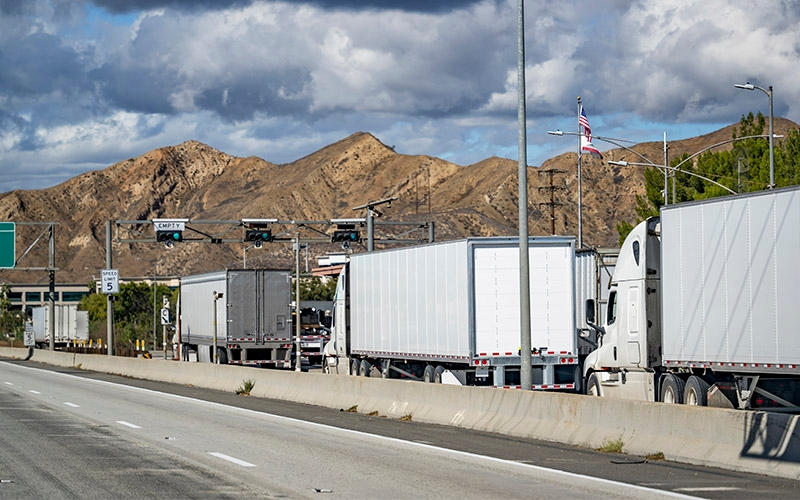
For numerous truckers, weigh stations, and roadside inspections are common things. But if the inspections happen on difficult routes — mountain passes, remote highways, construction corridors, or regions with strict enforcement — the difficulty is that the preparation is primary. A small detail that might be overlooked elsewhere might turn right into a penalty when things such as the terrain, weather, and authority enforcement intensify against the driver.
Drivers are not associated with punishments of weigh stations. They are there for making sure that the vehicle is in compliance, to keep the infrastructure intact, and to promote safety through the road network. Nevertheless, the problem is that scale house checks and roadside inspections are always bound to rules, and the most challenging routes exacerbate the vulnerabilities in the preparation.
This article offers a realistic weigh station checklist and inspection preparation guide to tackle the problems you face on the way. It emphasizes the actual things that inspectors are hunting for, shares tips about how drivers can experience less inspection time, and finally, introduces the idea of the right preparation in turning the inspections from surprises to planned and manageable events.
Rugged Roads Encourage Inspections
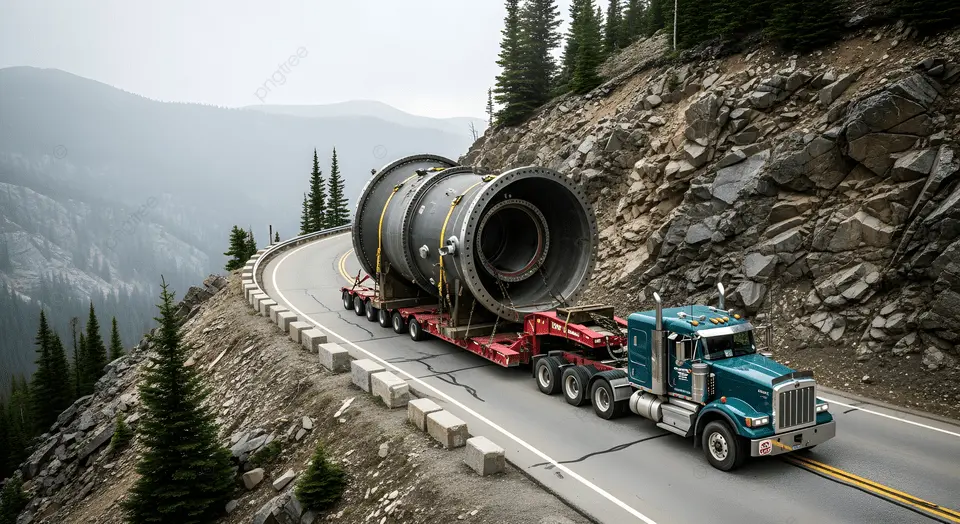
Challenging routes impose more strain both to drivers and the vehicle. Longer uphill climbs ask for more braking. Sharp turns question load balance. Isolated areas endure with no services and maintenance. Hence, they draw some likelihood that, for instance, the weight station inspector will be able to find some violation on a heavy vehicle entering there.
Routes that are prone to “high-risk” are the following:
- Mountain corridors with prolonged descents
- Remote highways without service access
- Construction-heavy freight routes
- Border areas and inspection-centric states
- Roads with frequent weight limit shortage markup
Commercial vehicle inspection on these routes is rarely casual. Inspectors expect drivers to be well organized, planned, and in compliance with vehicle compliance standards that apply to demanding terrain.
Why Difficult Routes Trigger More Inspections
| Route characteristic | Compliance risk created | Inspector focus |
| Long downhill grades | Brake overheating | Brake system condition |
| Remote highways | Limited repair access | Preventive maintenance |
| Construction zones | Load shifts | Cargo securement |
| Border corridors | Enforcement density | Documentation accuracy |
| Weight-restricted roads | Axle imbalance | Truck scales readings |
Getting Acquainted with Weigh Stations and Inspections
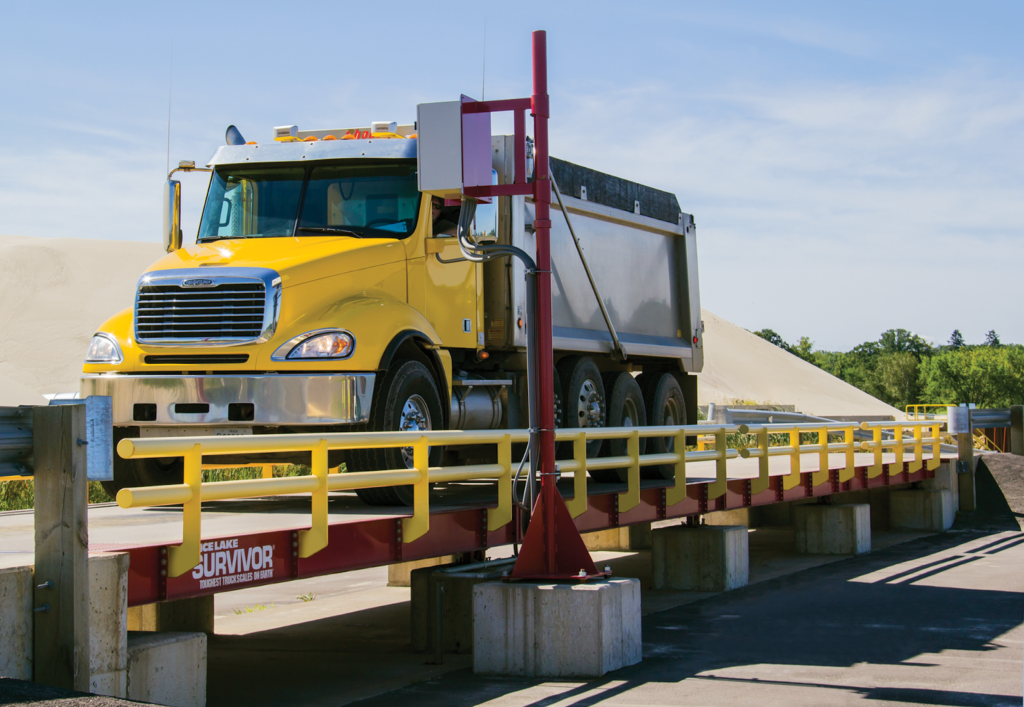
The first step to creating a checklist is understanding the inspection process.A weigh station — also referred to as a scale house, weighbridge, or weight station — primarily verifies vehicle weight, axle distribution, and compliance with weight limit regulations. However, weight inspections often lead directly into DOT inspections or CVSA inspection levels, turning a routine stop into a broader scale inspection.
Depending on the scenario drivers may encounter:
- Weight scale only inspections
- Logbook inspections
- Safety inspection
- Full roadside inspections
The more orderly and prepared the driver appears, the less hassle there tends to be during a commercial vehicle inspection.
Weigh Stations & DOT Inspections
Pre-Trip Inspection: The Basis of Inspection Preparation
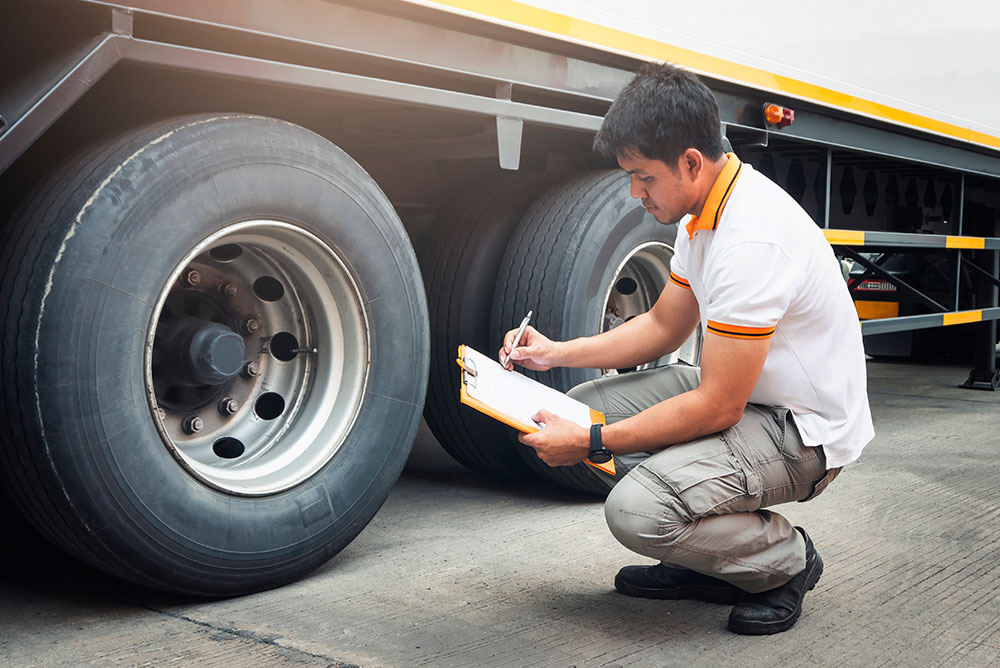
A detailed pre-trip inspection is the single most crucial step in following the inspection preparation. When on difficult routes, skipping or being in a hurry to go through this step will almost guarantee problems later.
The key areas that the pre-trip inspection should focus on include:
- Brake system response and air pressure stability
- Tire condition, tread depth, and inflation
- Lighting systems and reflectors
- Steering and suspension components
- Coupling devices and fifth wheel security
The last things the inspector would like to see at the weigh station are results about issues discovered at the scale house which are signs of poor preparation, not bad luck.
Pre-Trip Inspection Priorities Before Weigh Stations
| System checked | Why it matters at inspection | Typical violation risk |
| Brakes | Safety on grades | Out-of-service |
| Tires | Weight distribution | Unsafe equipment |
| Lights | Visibility | Immediate citation |
| Suspension | Load stability | Escalated inspection |
| Coupling | Trailer separation | Severe violation |
Driver Documentation Checklist for Weigh Stations
Having a clean truck is not enough to make up for missing paperwork. Logbook inspection and documentation checks are part and parcel of most inspection procedures.
Before they access the weigh station, drivers must check the following:
- The state of the driver’s license
- The validity of the medical certificate
- Whether the hours of service logs are current and accurate
- The supporting documents matching the log entries
- Whether the shipping papers and permits are within reach
Documentation should be organizational rather than searchable. Disorganized paperwork often signals deeper compliance risks to inspectors.
Vehicle Compliance: What Inspectors Get To See First
Inspectors don’t need much time to form their opinions. Most of the time visible vehicle compliance issues provoke investigative inspections.
Common visual triggers are:
- Lights that are not operative
- The tire is defective
- Cargo securement is misplaced or uneven
- Leaking fluids
- Anomalous body postures and noises of vehicles
On tough routes, inspectors are used to seeing signs of wear. However, they do not accept neglect that violates truck driving regulations.
Weigh Station Checklist: Preparing for the Scale
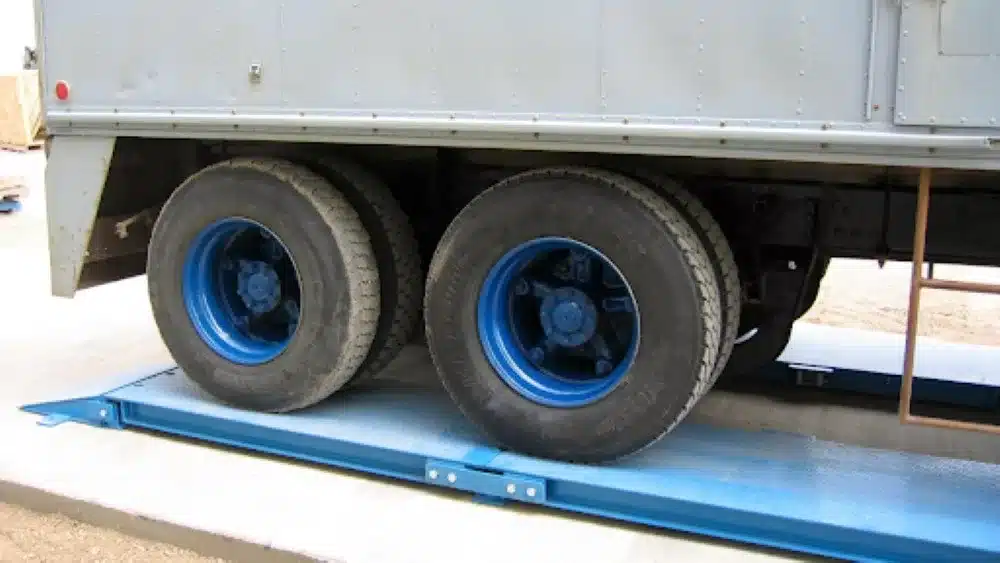
A proper weigh station checklist has to include more than just the vehicle’s gross weight. Inspectors look at axle spacing, load distribution, and compliance with posted limits during a scale inspection.
Before being close to a scale:
- Check that axle weights are balanced
- Ensure that the load placement corresponds with the permits
- Confirm that nothing has shifted recently
- Understand the local weight limit regulations
Weight violations are not usually a matter of an accident. They arise from skipped checks or misunderstood limits.
Common Scale Inspection Issues on Truck Scales
| Scale finding | Likely cause | Preventive action |
| Axle overweight | Load imbalance | Recheck axle weights |
| Uneven suspension | Shifted cargo | Load securement review |
| Weight-permit mismatch | Routing error | Permit verification |
| Repeated scale stops | Compliance history | Maintenance discipline |
| Escalated inspection | Visible neglect | Full pre-trip inspection |
How to use TRUCK WEIGH STATION | trucker tip
Truck Inspection Tips for Tough Terrain
Mountain routes and bumpy road surfaces bring forth defects that smooth routes may obscure.
Some special aspects are:
- Brake overheating on long slopes
- Tire overheating
- Load shift on bends
- Sticker shock
Drivers should expect these issues and recheck their critical systems after major elevation changes or prolonged downhill sections, especially on high-risk truck routes.
Scale House Rules Every Driver Should Obey
Every scale house operates under general enforcement guidelines, however, the specific local rules and traffic patterns differ.
General scale house rules incorporate:
- Comply with the posted speed limits
- Strictly follow through the lane instructions
- Totally stop when directed
- Communicate consistently and in a professional manner
These weigh station tips reduce escalation and help inspections remain procedural rather than investigative.
Roadside Inspection Preparedness on Remote Routes
Remote routes are less accessible for repairs and support, hence the need for preparation is increased.
Drivers should:
- Bring basic safety and inspection devices
- Know the signs of mechanical failure
- Document before a small issue becomes big
A remote highway roadside inspection provides little leeway for error.
Logbook Inspection: Quality Over Quantity
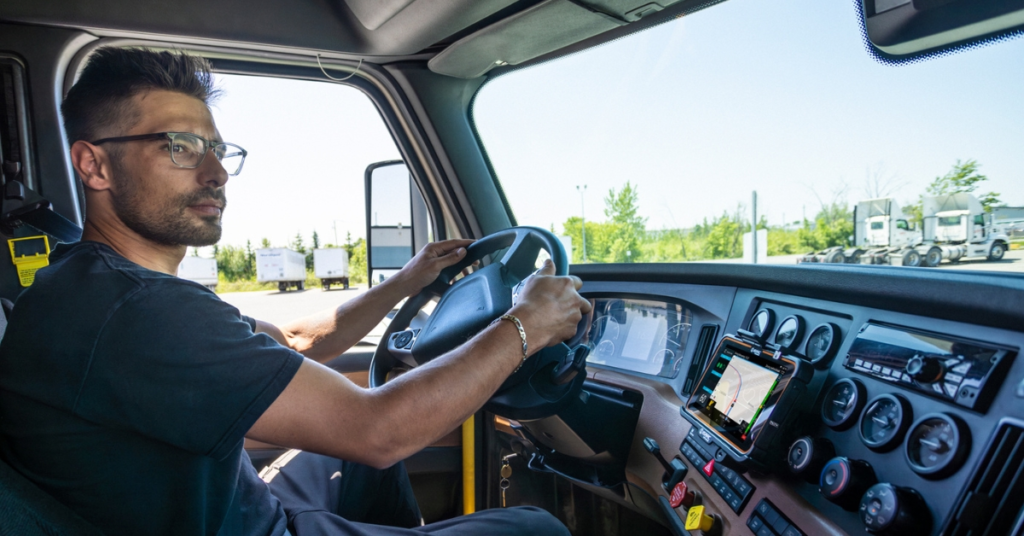
Inspectors trust the logs that tell a uniform story. They raise questions if the logs demand clarification.
Key logbook inspection principles:
- Entries should be the same as reality
- The change should be few and reasonable
- Support documents that should correspond to logs
On difficult routes fatigue and delays have been known to be the case. But inconsistent logs create unnecessary compliance exposure.
Vehicle Weight and Load Securement Checks
Loading securement failures are especially common inspection triggers, especially after rough terrain.
Drivers should rely on:
- Securement devices that are both tight and intact
- Load that has not shifted
- Edge protection is properly installed
- Tie-downs are adequate
A quick post-route inspection may help to avert costly mistakes during an inspection.
Weigh Station Bypasses: Do It Right
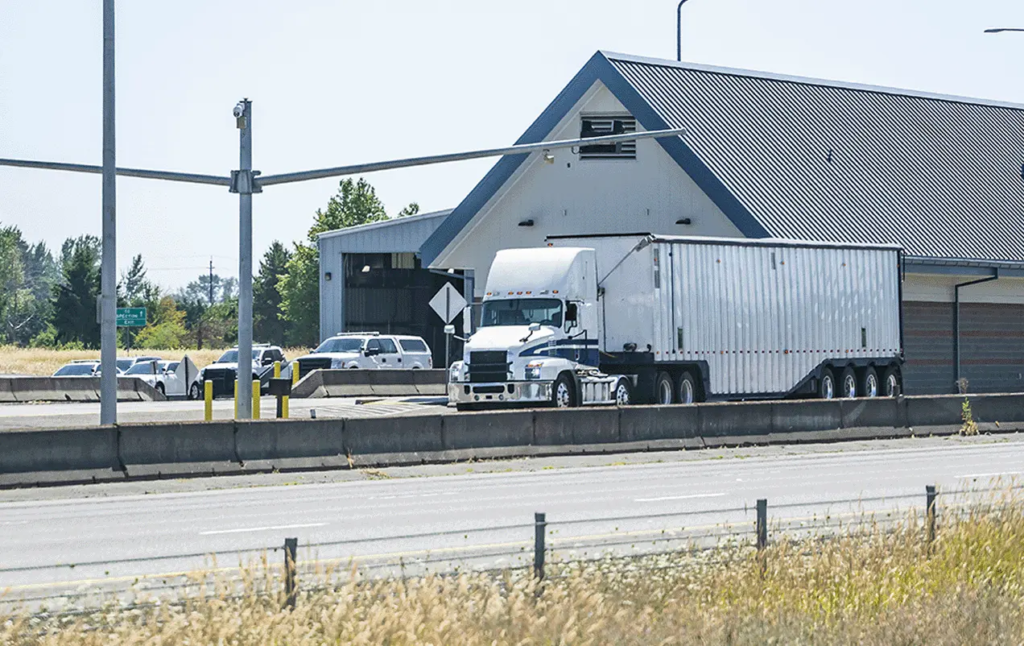
Weigh station bypass programs help in reducing stops but drivers are still bound by the rules of compliance.
Drivers should be knowledgeable of the following:
- The bypass approval is subject to conditions
- A history of minor compliance increases the risks
- Inspections still tend to happen at random
Using a weigh station bypass responsibly requires consistent adherence to truck driving regulations. According to research published by the Federal Motor Carrier Safety Administration (FMCSA), weigh station pre-clearance and e-screening systems are designed to improve roadside enforcement efficiency by identifying compliance risks before vehicles enter inspection points. https://www.fmcsa.dot.gov/research-and-analysis/technology/effectiveness-weigh-station-pre-clearancee-screening-systems
CVSA Inspection Levels and Their Implications
Learning about CVSA inspection levels helps drivers better prepare for inspection.
Level I: Full vehicle and driver inspection
Level II: Walk-around inspection
Level III: Driver-only inspection
Level IV–VI: Specialized inspections
Rugged tracks often carry the risk of higher-level inspections due to safety issues.
Driver Checklist Before Entering a Weigh Station
In the end, a mental driver checklist can be helpful, so there are fewer mistakes:
- Logs being updated and correct
- Documents being organized
- Lights, tires, and brakes being checked
- Load securing being verified
- Calm and attentive mindset
Preparation comes from confidence, not from luck.
Why Preparation Makes the Difference in Inspection Outcomes
The majority of the violations are traceable to misunderstanding or panic. Many drivers treat weigh stations as hostile premises; hence they experience more friction.
A prepared driver:
- Acts professional
- Answers queries with clarity
- Presents documentation with confidence
- Decreases the duration of inspection
Preparation does not eliminate inspections; it simply controls them.
Final Conclusion: Impassable Routes Require Sterner Temperament
Steep roads strip drivers of each ounce of their recordkeeping abilities. Weigh stations and inspections on such roads do not function as traps — they work as markers that reveal the preparation quality.
A persistent inspection preparation checklist, together with robust pre-trip checks and documentation discipline, will turn weigh stations from bothersome obstructions into predictable parts of the job.
Truck driving is not a hassle because of the rules, but because of the standards. On treacherous routes, preparation is not a choice — it is survival.
FAQ: Weigh Stations and Inspections on Difficult Routes
1. Are weigh stations more focused on inspections when the routes are perceived as difficult?
Indeed, when the routes are challenging like mountain passes, remote highways, and construction zones, the inspectors become more vigilant since such circumstances lead to more mechanical strain and safety hazards. However, it does not imply that the inspections are unfair; on the contrary, preparation deficiencies become more obvious.
2. Is it possible for a weight check to change to a full DOT inspection quick?
Of course. A stop at truck scales that generally happens could be another roadside or CVSA inspection if inspectors see problems with vehicle compliance, documentation, or driver behavior. Due to this scenario, inspection preparation should consider other possible factors than a simple weight check.
3. What is the main error drivers make before going to a weigh station?
The primary mistake is thinking that a pre-trip checklist done hours before is still good enough. In challenging routes, the conditions may vary fast. Braking, tires and load should be double-checked, in particular before the weigh station.
4. How significant is logbook accuracy during inspections on difficult routes?
Logbook accuracy is a must. Inspectors look forward to the logs being the actual representation of the operating conditions, for example, the terrain-related getting delayed or having reduced speeds. Irregular or unsatisfactory entries typically cause inspectors to take extra time, independent of the vehicle’s condition.
No responses yet